
Jiangsu Province
Suzhou
A practical Suzhou guide for deciding whether to stay overnight or visit from Shanghai, and for pacing gardens and canals.
Suggested stay: 2 days
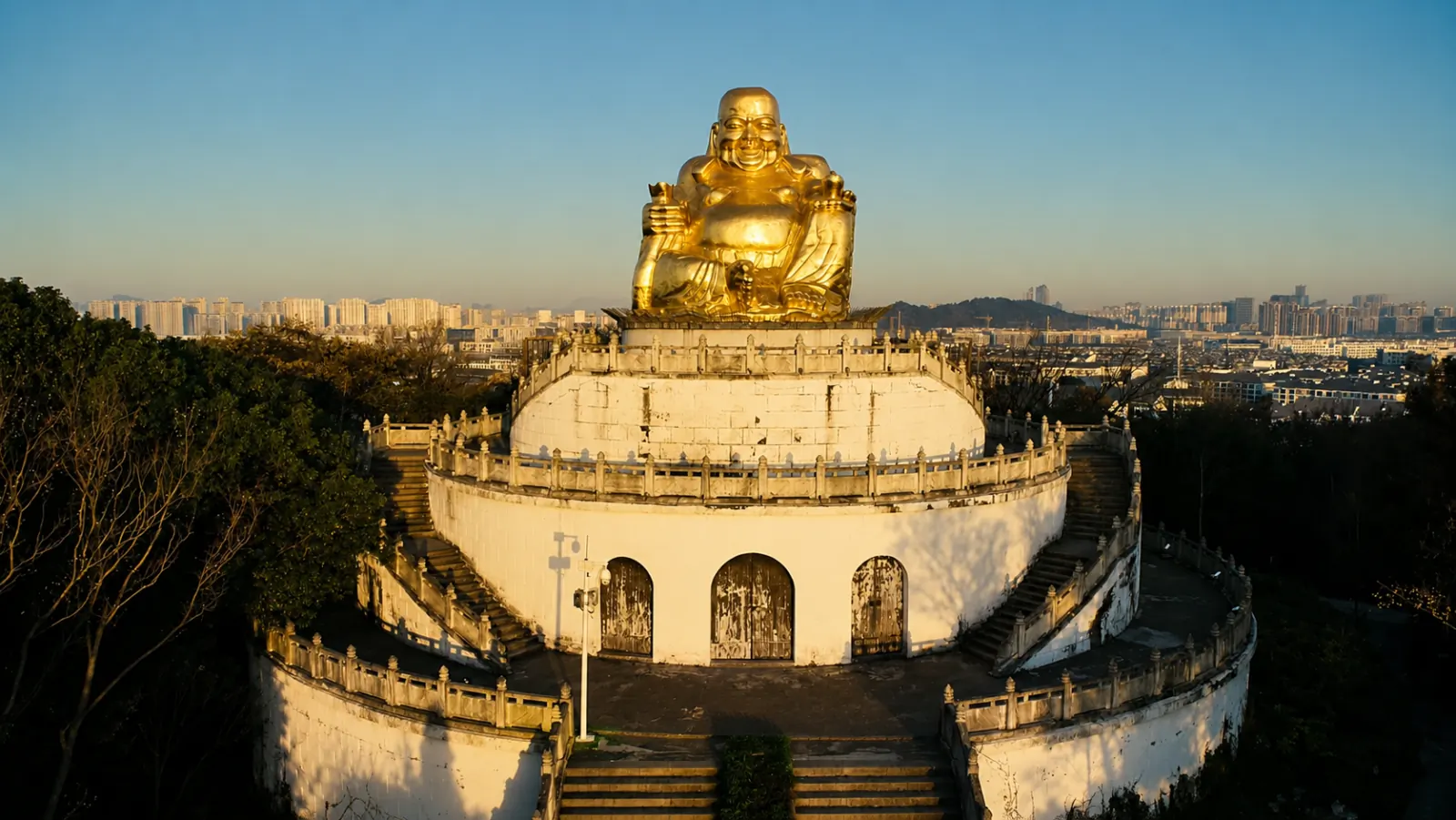
Suzhou (苏州) rewards a slower plan than its distance from Shanghai can suggest. The useful decision is not whether to see “the gardens,” but which garden, canal-side neighbourhood, museum or water-town day deserves the limited hours you have.
At a glance: gardens first, then canals
| Planning point | Practical choice |
|---|---|
| Recommended stay | Two nights gives one garden-led day and one flexible canal or museum day. |
| Arrival geography | Confirm the exact rail station and hotel entrance before a day-trip schedule. |
| Core transport | Group sights by historic-core area; do not treat every canal or garden as walkable from every other. |
| Booking pressure | Gardens, holiday dates and timed cultural interiors need a current official check. |
| Walking demand | Uneven paths, bridges and narrow historic lanes reward light luggage and comfortable shoes. |
| Main risk | Trying to see several gardens and a water town in one tightly timed day. |
Decide whether Suzhou is a day trip or an overnight stop
Suzhou can fit into a Shanghai-based itinerary, but a same-day return turns a city of courtyards and lanes into a sequence of entry times and station transfers. Choose a day trip when one garden and one nearby historic area are enough. Choose an overnight when you want an early garden visit, a canal-side evening, or a second day for a museum, a second garden, or a water town beyond the central city.
Do not make the decision from a map alone. The railway station on the ticket, the hotel’s real walking distance from a metro entrance, luggage storage, and the last practical return are more consequential than the straight-line distance. Book the train first, then choose the district and the first attraction. For ticket and passport preparation, link readers to the maintained China high-speed rail guide rather than repeating a national booking process here.
Use the classical gardens as anchors, not a checklist
The UNESCO World Heritage Centre’s Classical Gardens of Suzhou record describes nine gardens in historic Suzhou and explains their importance as carefully composed miniature landscapes. That official heritage framing supports a deliberate visit, not a claim that all gardens have the same atmosphere, entrance, accessibility or booking method.
Pick one principal garden for a half-day and give it room. A compact garden can still be slow when paths narrow, rooms have one-way flows, or photography and interpretation stop the pace. A larger garden can use more walking than expected. Adding two or three gardens simply because they share a label often produces a hurried experience and leaves no time for the surrounding streets.
Before travel, editors should verify the exact garden’s official visitor notice, opening days, ticket release, overseas-passport procedure, bag rules and accessible route. These are operational facts, not stable heritage facts. Visitors should keep the Chinese attraction name, the intended gate and a screenshot of the current confirmation rather than relying on a general map pin.
Choose an accommodation area by the first morning
For a garden-and-old-city itinerary, a base with a straightforward metro or walking connection to the historic core usually reduces friction. It may be less convenient for an early high-speed train. A hotel near a railway station can be sensible for a late arrival or an early departure, but may make an evening in the old city feel like a separate outing.
The practical test is simple: write down the first morning’s entrance, the final evening’s return route and the next day’s station. Then check them in a map that recognises Chinese place names. Save the hotel’s full Chinese address, not just the English property name. If the property is inside a pedestrian lane, confirm where a car can legally stop and how far bags must be carried.
Treat canals and old streets as flexible time
Suzhou’s appeal is often in the space between named attractions: water edges, bridges, alleys, small eateries and changing views. That makes a canal-side walk an excellent buffer after a timed garden entry and a poor choice as a tightly scheduled transfer. Leave a margin for finding the correct exit, stopping for food, rain, or simply changing direction.
Avoid presenting a generic “canal route” as a guaranteed product. Cruise services, crowd controls, lighting, construction, commercial activity and waterside access can change. If a boat ride is central to the plan, verify the responsible operator’s current page on the week of travel and have a walk-only alternative. At night, save the nearest station exit and use a documented official taxi or ride-hailing pickup point rather than accepting unarranged transport.
Pair one cultural interior with the outdoor city
An indoor cultural visit can be the right counterweight to summer heat, rain or a crowded garden day. It is also a reason to avoid loading three outdoor heritage sites into the same afternoon. Check whether the selected museum or historic house needs a reservation, accepts a foreign passport, has a closure day, and permits luggage before treating it as a fixed backup.
UNESCO’s heritage description is useful for explaining why buildings, rockwork, calligraphy, furniture and planting should be read together in a garden. It does not confirm the contents of a present exhibition, the language of a tour, or the condition of a particular path. Attribute the first point to the UNESCO record; verify the others with the specific venue.
Do not add a water town casually
Water towns around the Suzhou area are a different itinerary decision from the central gardens. They may involve a bus, taxi, intercity rail connection, a longer road journey, weather exposure and an earlier return cut-off. Add one only if it is a priority, not because an online list calls it a short excursion.
Decide what you want from the day: historic lanes, water views, a slower meal, a boat activity, photography, or a quiet break from the city. Then check the exact location, operating notice, accessibility, crowd expectations and return transport. This is particularly important on weekends, public holidays and wet-weather days, when a route that appears easy can become a long queue-and-transfer exercise.
Build the weather into the walking plan
Suzhou’s garden-and-canal itinerary is exposed to heat, humidity, rain and slippery surfaces. In warm or wet conditions, shorten the outdoor sequence, carry water, choose shoes with grip, and keep an indoor option nearby. In cooler months, canal-side evenings can still feel damp; an extra layer and a return plan matter more than an ambitious photo stop.
Weather should change the order of the day, not merely the packing list. Put a timed garden or museum first when conditions are uncertain, and leave unbooked lanes or a waterside walk for the part of the day that can move. Check current forecasts and venue notices shortly before departure. Do not publish a fixed “best season,” a flood-risk statement or a forecast-based access claim without a current official source.
Make reservations and payments resilient
Attraction reservations, transport tickets and hotel check-in can all depend on the name and passport document used at booking. Keep that original passport accessible, save confirmations offline, and allow time for security or an unfamiliar entrance. A power bank and a second way to pay are practical safeguards, but neither replaces checking the official booking channel.
Readers should use the maintained guides on payments in China, map apps, essential travel apps, and attraction bookings. Those pages can be updated when national app, payment and verification conditions change. This city guide should only explain the local consequence: a failed reservation screen can disrupt a garden day more than it disrupts an unstructured canal walk.
Keep entry questions separate from the city plan
Suzhou is in Mainland China. Arriving through Shanghai, another mainland airport or a rail connection does not itself determine a visitor’s visa or transit eligibility. Use the China Travel Pulse visa checker for a planning assessment, then verify the complete itinerary with the National Immigration Administration, the relevant carrier and any other applicable official authority before departure. This page does not give an immigration decision.
The distinction matters because a destination guide should not encourage a traveller to buy a non-refundable garden ticket on an assumed entry outcome. Plan Suzhou after entry permissions and the full arrival-and-onward route are clear.
Why conservation changes the visitor mindset
The UNESCO inscription decision records the World Heritage Committee’s basis for inscribing the Classical Gardens of Suzhou. The UNESCO conservation decision documents concern about urban-development pressure and calls for protection and management measures. These sources support a visitor-facing principle: treat gardens as cultural places with managed capacity, not as interchangeable urban parks.
That principle is an editorial suggestion, not an instruction from a venue. Follow current site rules, avoid entering planted or restricted areas, and expect staff to manage flows differently when crowds or conservation work require it. If an editor adds guidance on photography, drones, food, pets, commercial shoots or accessibility, it needs a current source for the specific garden rather than an inference from UNESCO status.
A practical Suzhou shape for independent travellers
For one full day, choose a single booked garden, an unhurried nearby historic walk, and a realistic railway return. For two days, use the second day for another garden or cultural interior, then decide whether a water-town trip is genuinely worth displacing central Suzhou. The key is to preserve empty time: it absorbs missed turns, queues, changing weather and the pleasure of a place designed to be observed slowly.
Before-you-go checklist and maintained guides
Arrival, gardens and a two-day route
Read the exact station on every rail ticket, then save the hotel’s Chinese address and the entrance it recommends for a vehicle. Suzhou Railway Station is 苏州站 and Suzhou North Railway Station is 苏州北站; they are not interchangeable when carrying bags or protecting a timed garden entry. On arrival day, settle in and take a short canal-area walk near the hotel. On the first full day, give one confirmed garden and its surrounding streets the morning and afternoon, with one cultural interior or meal nearby. On day two, choose either a second garden-and-museum route or a water-town excursion, not both.
The UNESCO Classical Gardens of Suzhou record explains the cultural importance of the historic gardens. It does not confirm today’s opening, entrance, route or reservation policy, so check the specific garden’s current official notice before committing transport or payment. Keep the passport used for a booking, a screenshot of the date and entrance, and a nearby unbooked alternative if access changes.
Maps, payment, food and common mistakes
Save the hotel, selected garden, rail station and return pickup in Chinese. Use a power bank, test payment before a timed queue and carry a second payment option. The maintained payments, map-app and rail guides cover shared setup. Narrow lanes, bridges and garden exits make a small map distance longer than it looks, so agree on a meeting point and do not plan a final cross-city transfer immediately after a garden visit.
For food, explain allergies in Chinese where possible, ask about ingredients and order in stages rather than making a tight restaurant queue the last step before a train. Respect garden barriers and staff directions: UNESCO’s inscription decision and conservation decision support the importance of protection, not permission to enter restricted areas. Avoid treating a water-town pin as a short add-on, or a day trip from Shanghai as a reason to skip rail and luggage buffers.
- Save Chinese screenshots for the hotel, station, chosen garden and vehicle entrance.
- Confirm garden or water-town access with the responsible current operator.
- Carry booking identification, power and a second payment method.
- Keep the final activity optional before an onward train.
- Use the advisory Visa Checker and China Travel Pulse guides for broader preparation.