
Jiangsu Province
Nanjing
A practical Nanjing guide for structuring the historic core, Purple Mountain and rail days without overloading the route.
Suggested stay: 3 days
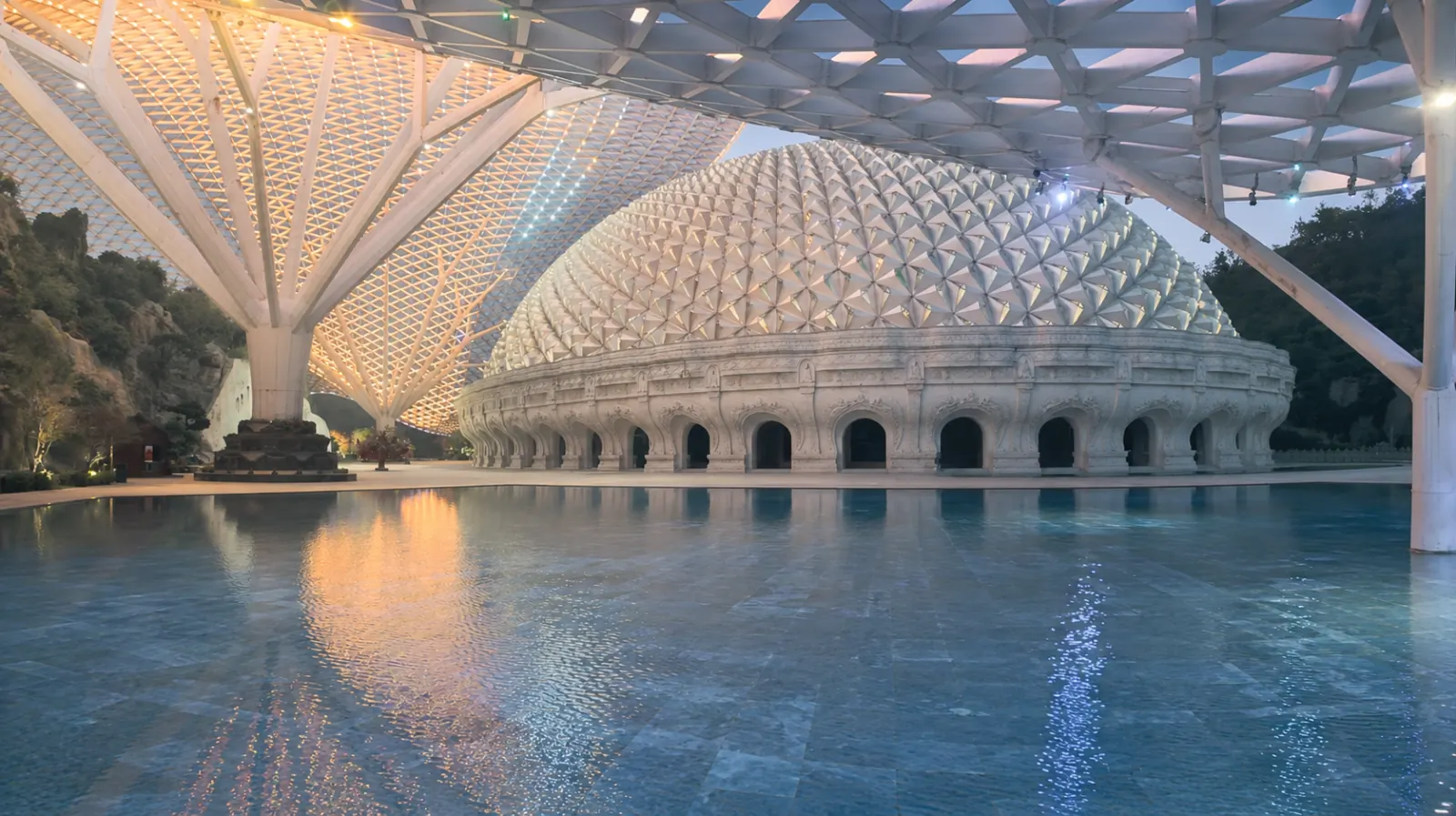
At a glance: historic core, Purple Mountain and rail
| Planning point | Practical choice |
|---|---|
| Recommended stay | Three nights gives a central-history day, a Purple Mountain day and a flexible rail buffer. |
| Arrival geography | Read the exact rail station on the ticket before choosing a hotel or final-day route. |
| Core transport | Keep the historic core and Purple Mountain on separate days. |
| Booking pressure | Memorials, museums and holiday dates require current venue confirmation. |
| Walking demand | Walls, heritage precincts and hills can mean long outdoor distances and steps. |
| Main risk | Treating a reflective museum, a mountain landscape and a departure train as one compact sequence. |
Nanjing rewards a route that is deliberately small. The former capital’s major sites are spread across a walled city, a lake-and-hill landscape and the Purple Mountain area, so a list of landmarks is less useful than a clear choice of base and a realistic daily radius. Give the city two full days if possible, and add another when museums or memorial sites are central to the trip.
Choose a Base That Matches Your First Day
Xinjiekou and the central city suit a first visit because they make evening meals, metro connections and several historic districts straightforward. A stay nearer the east can work well for Purple Mountain, but it is not a neutral choice for every other sight. Check the walking route from the hotel to the actual metro entrance rather than relying on a district label.
Before paying, turn the first and last day into a simple map test. Mark the arrival station, hotel, one first-evening destination and the following morning’s first stop. If that route involves several changes with luggage, a hotel that looks less central on a listing site may be the easier choice. Ask accommodation staff for the Chinese address, a map pin and the name of the closest practical vehicle drop-off. Those details are more useful to a driver than an English neighbourhood description.
It also helps to decide what kind of evening you want. A restaurant-led evening, a quiet walk and a late museum-adjacent return do not demand the same base. Keep the first night flexible when arriving by rail or flight, especially if you have not yet tested payments, maps or the local transport interface. A nearby meal and a short orientation walk are enough to make the next day run more smoothly.
Separate the Old City from Purple Mountain
Treat the city wall, Confucius Temple area, Presidential Palace and central museums as one broad planning zone. Purple Mountain, including the Ming Xiaoling area and other hillside sites, deserves a separate half- or full-day decision. The UNESCO Grand Canal listing and the UNESCO Imperial Tombs listing are useful starting points for understanding why historic landscapes should not be reduced to a quick photo stop.
This separation is as much about attention as transport. Historic places can involve entry queues, security screening, interpretation and walking between gates; an itinerary that leaves only a few minutes for each one becomes a sequence of exits. Pick a primary interest for each zone: urban history, a particular collection, a heritage landscape, or simply time outside. Then make everything else optional. This leaves room to respond to rain, fatigue or a venue that is busier than expected.
For Purple Mountain, identify the exact attraction and entrance before setting out. “Purple Mountain” is a helpful orientation term, not a single turnstile. Save a return point as well as an arrival point, and carry water, a charged phone and suitable footwear. If the weather makes an outdoor route unattractive, swap it with a central indoor visit rather than trying to force both plans into the same afternoon.
Read the Railway Ticket Carefully
Nanjing’s rail connections make it an easy stop between major eastern cities, but the exact station on the ticket determines the transfer. Before booking accommodation, confirm the full Chinese and English station name in 12306, save the hotel address in Chinese and allow for security, platform walks and a busy interchange. Do not assume that an arrival station and departure station are the same simply because both include “Nanjing”.
Build a written arrival sequence: leave the platform, follow signs to the chosen exit or transfer, check the map pin, then decide between public transport and a ride. This is calmer than choosing a route while standing in a station concourse. Keep the train number, departure time and station name available offline for the return journey. If a hotel offers directions, compare them with the official booking information and ask about any late-arrival procedure before the day of travel.
For a short stay, resist changing hotels simply to be near a single attraction. Packing, checkout and a cross-city transfer can consume the useful part of a morning. One well-placed base and a route that groups areas usually gives more time on the ground. When a same-day connection is unavoidable, use a substantial buffer and treat any last stop as expendable rather than assuming every transfer will be frictionless.
Plan Memorial and Museum Visits With Care
Some of Nanjing’s most important places are reflective rather than casual sightseeing stops. Choose a quieter time, leave room for security and entry procedures, and avoid stacking a fixed museum booking immediately after a cross-city train. Official notices can change around public holidays and commemorative dates, so use the Nanjing municipal English portal to find current local information, then check the venue’s own notice before travel.
Read a venue’s visitor guidance in advance where it is available. Look for the current reservation channel, identification requirements, prohibited items, closure notices and which entrance is in use. Do not treat a third-party map listing, old social post or a travel video as confirmation. If the official information is only in Chinese, use browser translation as an aid, save a screenshot, and ask your hotel or a bilingual contact to help interpret anything that would materially affect a booking.
Give serious sites the time and tone they merit. A plan that includes a museum, memorial or historic precinct can also include an unstructured meal break afterward. That pause makes the day more humane and avoids reducing difficult material to a checklist. Photography rules, bag rules and behaviour expectations can differ by venue, so follow the notice at the entrance even when it differs from earlier planning notes.
Use the Riverfront as an Evening, Not a Transfer Shortcut
The Yangtze and Qinhuai areas can make a fine evening, but waterfront map distances are deceptive. Decide whether the goal is a walk, a meal, a cruise-style view or a particular heritage site; they do not all share one entrance or one transport link. Save the exact Chinese destination and return route before leaving the hotel.
An evening route should have a defined stopping point. Choose where you will start, the place you want to reach before dark or before dinner, and the point from which you will return. This keeps a pleasant riverside stroll from becoming an unplanned long walk after transit options have thinned out. If travelling with children, older companions or someone recovering from a long journey, choose a shorter circuit and leave any additional waterfront area for another night.
Do not depend on a single phone battery for directions or payment. Screenshot the hotel address and key map instructions, carry a power bank and agree on a meeting point if travelling as a group. Rain can change the character of paved paths and viewing areas, so bring a light layer and be prepared to replace an outdoor plan with a nearby meal or indoor stop.
Build Around Weather and Walking
Nanjing can involve long outdoor days, steps and exposed paths. Heat, rain and winter cold change how much can comfortably fit around a museum reservation. Pack for an all-day walking itinerary and move indoor sites earlier when conditions are poor. Seasonal flowers, opening times, ticket releases and temporary controls are time-sensitive; confirm them directly with the attraction.
Use the forecast to choose the order, not to overfill the schedule. A hot or wet day may be best for a museum, a slower lunch and a short evening outing, while a clear day can be reserved for a larger heritage landscape. Carry a refillable water bottle where practical, sun or rain protection as appropriate, and shoes you have already walked in. Comfort is a planning input: an itinerary that looks efficient but leaves no rest or food break is unlikely to remain enjoyable.
Public holidays and school breaks can affect demand, queues and the availability of timed entries. Build a plan with one core activity and one backup for each day. If an official ticket release time or booking requirement is unclear, do not make a non-refundable transport decision around it. Check again shortly before travel, and keep confirmation screenshots available even after a booking has been made.
Keep Digital Basics Ready
Carry the passport used for rail or attraction bookings, an offline copy of confirmations, a charged power bank and a second payment option. Chinese names help with rides and maps: Nanjing Railway Station is 南京站, Nanjing South Railway Station is 南京南站, and Purple Mountain is 紫金山. For general setup, see our guides to payments, maps and high-speed rail.
Make a compact travel note before leaving the hotel: hotel name and address, today’s first destination, any reservation code, the rail station for tomorrow, and an emergency contact method for your group. Keep it in both a cloud note and a screenshot. For bookings that require the passport, make sure the name format matches the document rather than relying on an abbreviated version used on a profile.
Digital tools are most useful when prepared before you need them. Download or cache the relevant map area if your app supports it, verify that you can sign in to payment services, and keep a physical card or other backup appropriate to your circumstances. Connection quality, app behaviour and acceptance arrangements vary, so test essential setup on a low-pressure first purchase rather than at a station gate or a timed-entry queue.
Leave Space Before Your Next Train
Nanjing works best when departure day is kept light. Put a final café, neighbourhood walk or nearby museum near the correct station rather than crossing the city with bags after lunch. Reconfirm the station, train gate and local transfer shortly before leaving.
The evening before departure, check the ticket again rather than relying on memory. Confirm the date, station, train number and any hotel checkout arrangement, then decide when bags must be collected. Give yourself time for the hotel-to-station segment, the station’s security and the walk to the platform. If you have a flexible final activity, choose one you can leave immediately without losing a reservation or stranding luggage.
Nanjing’s value as a stop is not measured by how many landmarks fit into the final morning. A calm departure protects the onward journey and leaves space for what you missed to become a reason to return. Keep a note of favourite areas, restaurants or historic sites only after checking their names and locations; that record is more dependable than trying to reconstruct the route later from memory.
Reservations, Chinese names and offline preparation
Keep each booking tied to its real entrance
Use the passport that matches rail or attraction bookings and retain screenshots of the confirmation, entrance and date. Current venue information should come from the venue itself; the Nanjing municipal English portal is a useful local orientation point, not confirmation of an individual museum’s time, gate or reservation rule. Purple Mountain is 紫金山, Nanjing Railway Station is 南京站 and Nanjing South Railway Station is 南京南站. Save the hotel, planned entrance, station and return point in Chinese so that a driver or hotel staff member can read them.
Test maps and payment before a station gate or timed entry, carry a power bank and retain a second payment option. The maintained payments, map apps and rail guide cover the shared setup.
Food, weather and a practical three-day route
Arrival day should be for the hotel area and a short meal. Make the first full day a central-history route, with a museum or memorial and a nearby evening option. Use the clearest weather window for Purple Mountain or a larger heritage landscape, and keep the third day flexible for an indoor site, riverfront walk or weather recovery. The UNESCO Grand Canal listing and Imperial Tombs listing give heritage context, not live visitor operations.
Carry water, sun or rain protection and shoes already tested for long walking. Explain allergies in Chinese where possible, ask about ingredients and do not make a restaurant queue the final link before a departure train. Heat, rain, school holidays and commemorative dates can all change how much fits comfortably around a reservation.
Before-you-go checklist and maintained guides
- Confirm the exact station, hotel entrance and each venue’s responsible current booking channel.
- Save Chinese screenshots for the hotel, Purple Mountain entrance and next rail station.
- Carry booking identification, power, weather protection and a second payment option.
- Keep the final activity optional before an onward train.
- Use the advisory Visa Checker and China Travel Pulse guides for broader preparation.