
Yunnan Province
Lijiang
A practical Lijiang guide for choosing among Dayan, Shuhe and Baisha, and separating heritage stays from mountain excursions.
Suggested stay: 3 days
At a Glance
| Question | Working answer |
|---|---|
| Stay | Three nights if combining the old town with one carefully planned regional day. |
| Arrival | Airport or rail arrival ends with a permitted road drop-off and a walking segment. |
| Movement | Heritage lanes are on foot; plan a separate transfer for villages or mountain areas. |
| Booking risk | Check the precise operator for mountain access, weather, identity and ticket requirements. |
| Walking | High on stone lanes, slopes and uneven heritage surfaces. |
| Main mistake | Booking an old-town room without knowing its luggage drop-off and pickup point. |
Heritage sources and current limits
UNESCO identifies Dayan, Baisha and Shuhe as parts of the Old Town of Lijiang, with further conservation material in its document collection. The Lijiang municipal government portal is an additional official city source. These establish heritage context, not current mountain, shuttle, ticket or accommodation operations.
Lijiang is not one uniform old town. Its historic landscape includes Dayan, Baisha and Shuhe, while many visitors also consider higher-altitude or longer regional excursions. The useful first decision is whether you want a walkable heritage stay, a quieter village setting, or a transport base for somewhere else.
Choose Dayan, Shuhe or Baisha by Daily Rhythm
Dayan suits travellers who want to be inside the best-known old-town atmosphere, but luggage, crowds and vehicle access need checking. Shuhe and Baisha can feel more separated from the central flow, so confirm the actual transfer and evening-food options before booking. UNESCO describes all three as components of the Old Town of Lijiang, not as interchangeable map labels.
Start with the rhythm you want after dinner and early in the morning. A central heritage stay may make it easy to step into lanes and cafés, but it may also mean more people, more walking with bags and a less direct pickup. A quieter village-oriented base may suit travellers who value space, yet it makes the final transfer and evening plans more important to verify. Neither choice is universally better; the right one matches the days you actually intend to have.
Before booking, ask for the Chinese property name, complete address, nearest permitted drop-off and a walking route from that point. Save it as a screenshot as well as in the booking app. A scenic map marker is not enough when lanes branch, vehicle access is limited or you arrive after dark. If moving between bases, keep the transfer day light so that check-out, luggage and navigation do not consume a heritage day.
Do Not Treat Heritage Lanes Like a Taxi Network
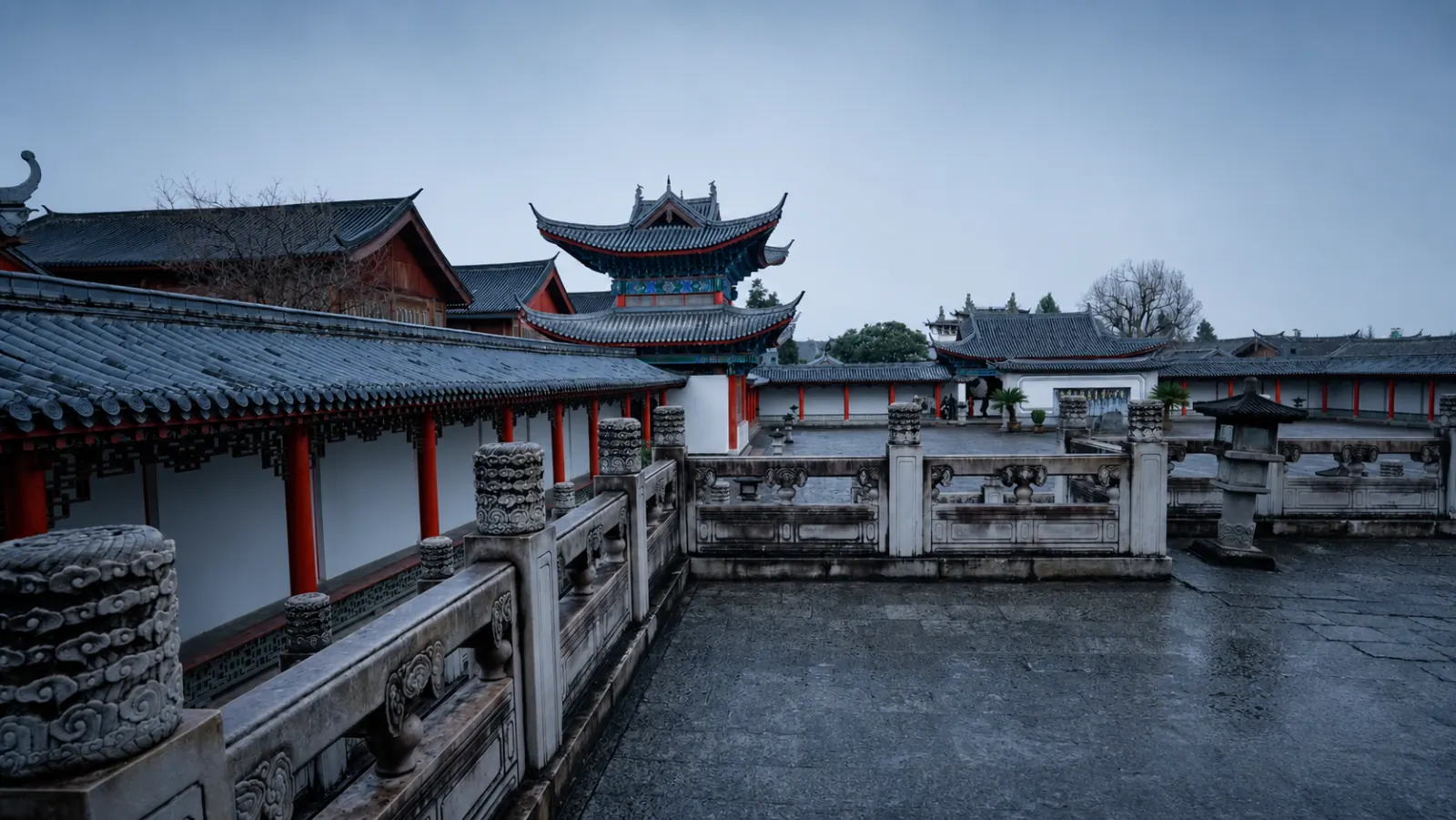
Stone lanes, water channels and protected streets are part of the experience, but they can complicate arrivals with bags. Ask the accommodation for the nearest permitted drop-off, the Chinese pickup name and a walking route. Avoid choosing a property solely from a scenic photo if the arrival plan is unclear.
Pack with the last stretch in mind. A wheeled bag may still need to cross uneven paving, steps or a lane where cars cannot enter, so arrange help or choose luggage you can carry comfortably. On arrival, follow the accommodation’s instructions rather than asking a driver to enter a protected area. If a map app shows several similarly named pins, confirm the exact one with the host before you leave the airport, station or main road.
Plan a simple first evening close to the base. A meal, short orientation walk and an early return are enough to learn the terrain without trying to cover the old town immediately. Keep the hotel address and pickup point available offline. If you are travelling as a group, share a meeting point that is easy to identify and agree on what to do if phones lose connection or batteries run low.
Keep a Heritage Day Compact
Dayan, Black Dragon Pool direction and a selected old-town walk can form a satisfying day without adding a distant mountain or village transfer. The UNESCO property description explains the landscape and water-system context; it does not provide current ticket, access or opening guidance, which must come from local operators.
Treat the route as a sequence of small discoveries rather than a race between landmark pins. Select a morning starting point, a lunch area and a gentle final loop, then let side lanes be optional. This works better in an environment where narrow streets, photography pauses and crowding can change the pace. If a particular cultural site matters to you, find its current official visitor information before the day and place it first in the route.
Respect that the historic setting is also a place where people live and work. Keep voices and bags manageable in confined lanes, do not block doors or water channels, and follow signs around private or restricted areas. Purchase decisions, photography and interactions should be guided by local rules and consent, not by the expectation that every picturesque space is an attraction open on demand.
Treat Mountain Excursions as Their Own Commitment
Weather, altitude, transport capacity and access controls can change a mountain day quickly. Decide whether the least confident traveller in the group will enjoy the exposure and pace, and keep a non-mountain alternative. Do not book a tight rail connection after an excursion without confirming the return plan.
Make the excursion a single-day commitment with a conservative start and return plan. Check the current operator or official visitor source for access conditions, reservation requirements, weather notices and the collection point before paying. Save the hotel address for the evening return, carry layers, water and a power bank, and tell the group what the fallback will be if conditions make the day unsuitable.
Do not treat a mountain image, a past-season itinerary or a tour description as a guarantee that the same route will operate on your date. Conditions can affect transport, queues and visibility. A good plan has a second version: a heritage walk, a relaxed meal or time in the chosen base. That alternative keeps the trip enjoyable without pressuring anyone to proceed when they are uncomfortable.
Plan for Altitude Without Making Medical Assumptions
The UNESCO listing places the historic town on a plain at about 2,400 metres, a useful reminder to pace a first day and hydrate sensibly. It is not individual health advice. Travellers with concerns should seek professional medical guidance before travel and avoid assuming that every regional excursion has the same conditions.
Arrival is a sensible time to lower expectations rather than intensify them. Carry the items you need for the first night in an accessible bag, allow time for food and sleep, and choose a short walk only if it feels comfortable. People respond differently to travel, exertion and changing conditions, so build the itinerary around observation and flexibility instead of a fixed promise about how anyone will feel.
If you have an existing health concern, medication requirement or uncertainty about exertion, obtain individual advice from a qualified professional before travel. The practical planning task is then simple: keep the first day light, know how to return to the hotel, and do not let a non-refundable excursion force a pace that no longer feels appropriate.
Make Transport Names and Times Concrete
Use the exact airport, rail or coach stop from the ticket, save the hotel’s Chinese name and confirm the final pickup point. Regional journeys across Yunnan are longer than a map can suggest, especially when a final transfer is added. Keep the first evening free if you arrive late.
For each movement, write down the complete chain: origin, ticketed airport or station, final ground transfer, property drop-off and walking segment. Check the ticketed name independently rather than relying on a city label. The day before departure, confirm the date, time, operator and baggage plan, then decide when you need to leave the hotel. This is particularly valuable when an early journey follows a night in a pedestrian area.
Keep the arrival and departure days different from sightseeing days. A late arrival does not need a second activity; a departure day does not need a distant final walk. If you have spare time, use it for a meal or an easy nearby circuit that can be stopped at once. This protects the next rail, flight or coach journey from delays in the final transfer.
Respect a Living Heritage Setting
Stay on permitted routes, avoid obstructing narrow lanes and follow local notices around photography, water, fire safety and cultural sites. The UNESCO document collection is useful background for the property’s protected status, not a substitute for current local rules.
Heritage travel is more rewarding when the place remains functional for residents, workers and other visitors. Keep litter with you until you find an appropriate bin, avoid leaning on fragile structures, and follow any directions from staff or local notices even if an online guide suggests something different. Fire and water-safety restrictions should be treated as operational rules, not optional travel advice.
Use the UNESCO material for historical context and the local operator or official notice for the current day’s requirements. Where information is unclear, choose the cautious route and ask accommodation staff to help identify the appropriate official source. Do not assume that a previously open lane, viewpoint or cultural space is accessible without restrictions on your visit date.
Use Digital Tools as Backup, Not a Substitute for Preparation
Save booking confirmations, the hotel’s Chinese name, the next transport ticket and the day’s main destination offline. Carry the passport used for reservations, a charged power bank and another payment option appropriate to your circumstances. For shared setup, see our guides to payments, maps and high-speed rail.
Test essential apps early, such as when buying a simple meal near the hotel, instead of waiting for a timed entry or a final station transfer. Screenshots can be shown when a connection is unreliable, and a shared group note avoids placing all navigation responsibility on one phone. If a booking name does not exactly match the relevant travel document, resolve it with the provider before the travel day.
Leave Room for an Unplanned Day
Lijiang often benefits from a day with only one firm intention: explore the selected base, take a measured walk and stop when a lane, courtyard or meal looks appealing. This is not a reason to ignore current access rules; it is a way to avoid turning a heritage setting into a transfer-heavy checklist. Keep a non-mountain alternative ready, particularly if weather or energy levels change.
On the final evening, read the next ticket carefully and check the hotel’s pickup advice one more time. Confirm the correct station or airport, allow time to carry bags to the drop-off point, and keep the morning otherwise light. The small amount of unused time is a practical buffer, not an omission from the itinerary.
Before You Go
Save 丽江, 丽江古城, the property’s Chinese name, permitted vehicle drop-off and agreed pickup point. Pack only what you can manage over stone lanes, reserve a low-pressure first evening and make any mountain day a standalone commitment with a weather-safe alternative. Verify current local rules, identity requirements, access, photographs, tickets and return transport with the responsible operator before paying. Carry layers, water, offline confirmation screenshots, a power bank and payment backup. Our map-app, payment and high-speed-rail guides cover shared preparation. The Visa Checker is advisory only and never an official entry decision.
Make a Luggage and Pickup Plan
Before travel, ask the accommodation for the final vehicle drop-off, its Chinese name, a walking route and the exact pickup point for a later departure. Save the reply as a screenshot and share it with every traveller. Historic lanes can make a short distance with a rolling case slow and uncomfortable; choosing a carryable bag or arranging assistance is a real accommodation decision, not an afterthought. Keep the first walk from the road to the room free of other commitments, especially after dark or in rain. For a group, agree on a landmark outside the maze of lanes if people separate. On departure, repeat the route in reverse and leave enough margin for the walk, bags and vehicle pickup before any rail or flight ticket.