
Heilongjiang Province
Harbin
A practical Harbin guide that distinguishes a winter ice-and-snow visit from a non-winter city break and flags seasonal logistics.
Suggested stay: 3 days
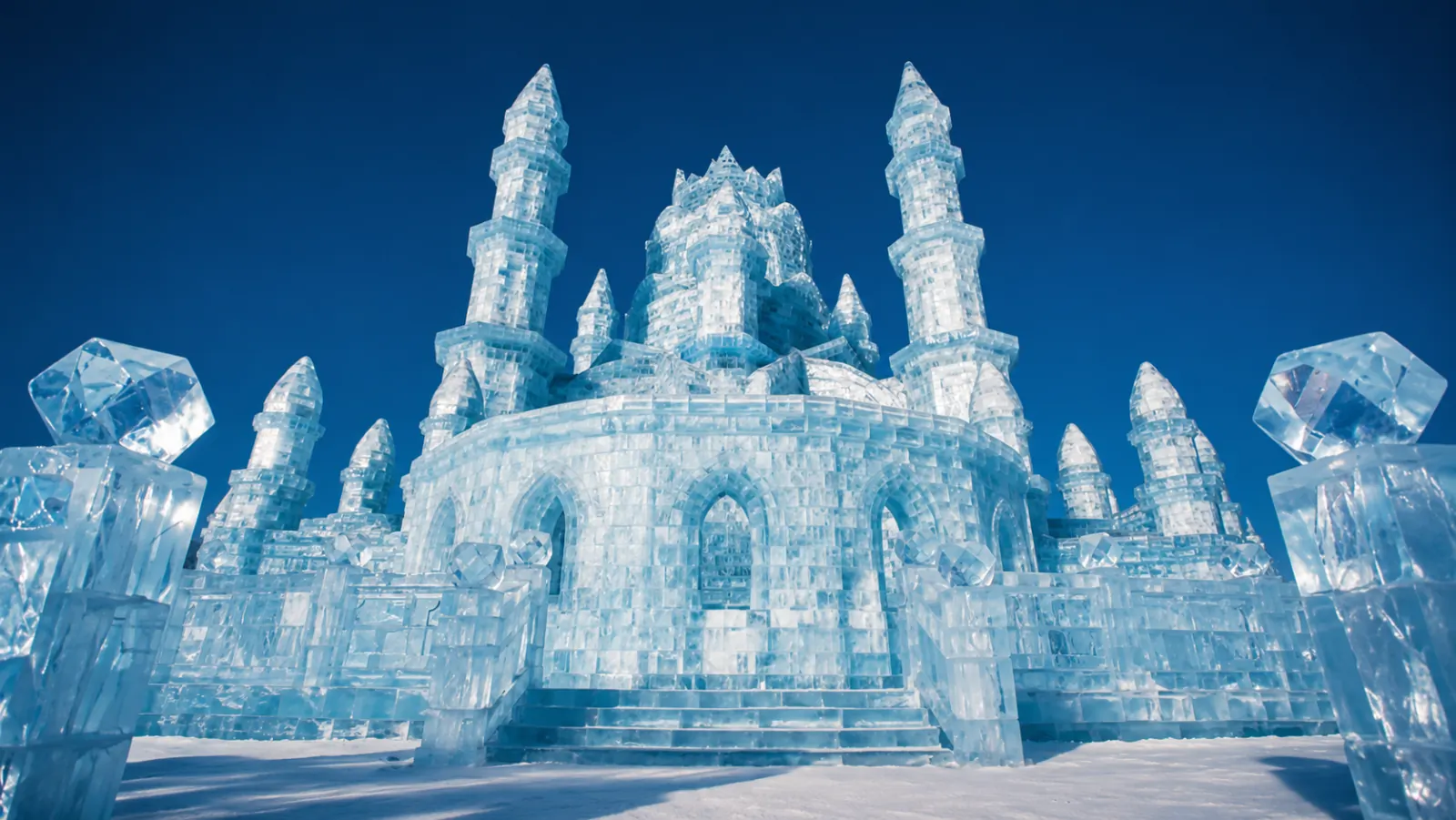
Harbin needs a season-first plan. In winter, cold, outdoor queues and a short daylight window determine the shape of the day; outside winter, the city is better approached as a river and architecture break rather than as a promise of ice installations.
At a glance: plan around season and temperature
| Planning point | Practical choice |
|---|---|
| Recommended stay | Three nights allows a central day, one major seasonal venue or river day, and a weather buffer. |
| Arrival geography | Confirm the exact airport or railway station and the hotel’s Chinese address before travel. |
| Core transport | Use a central base and limit outdoor transfers; verify each operator route near travel. |
| Booking pressure | Ice-and-snow venues, public holidays and weekend evenings need their own current booking check. |
| Walking demand | Winter walking includes exposed queues, riverfront wind and icy surfaces. |
| Main risk | Treating a seasonal event as a guaranteed substitute for a city itinerary. |
Begin with season, not a landmark list
Harbin is often planned around ice, snow and long winter nights, but the city is not a single winter festival site. A winter visit needs more spare time for cold, short daylight and slower travel; a non-winter visit needs a different mix of riverfront, architecture, parks and museums. Decide first whether you are travelling specifically for winter installations or for Harbin as a year-round city. That choice changes what to pack, where to stay and which days need advance planning.
The Ice and Snow World and related events can change their opening periods, ticket rules and entry arrangements from one season to the next. The official China International Fair for Trade in Services material on the 2026 ice-and-snow season is useful contemporary context, not a live visitor timetable. Check the current organiser page, the named venue and your accommodation before treating any date or attraction listing as confirmed.
Choose an arrival and departure buffer
Harbin can be reached by air and rail, but winter weather and high-demand dates can make a tight connection poor planning. Keep your first evening modest after a long flight or train, especially if you must collect luggage, locate a hotel in cold conditions or use an unfamiliar transfer. Save the hotel’s full Chinese address and phone number offline; an English name alone may not identify the correct entrance.
For onward trains, verify the exact station on the ticket rather than assuming every service uses the same city terminal. Arrive early enough for security, queues and a potentially long indoor walk to the platform. If your itinerary depends on a flight after a train trip, avoid a self-made connection that leaves no room for weather disruption, crowding or station access.
Pick a base that suits the temperature
A central base can make first and last journeys easier, but the best hotel is the one that reduces your actual daily transfers. In deep winter, a short outdoor walk can feel much longer than it appears on a map. Confirm whether the property has vehicle access, a staffed entrance, heating, and a practical route to the metro, restaurants or your first attraction.
Do not select accommodation solely because it is near a pin for Central Street, the Songhua River or an ice venue. Large roads, fenced areas and river crossings can make nearby-looking places awkward to reach. Ask the hotel for the closest usable entrance and a Chinese-language route note if you expect to arrive after dark.
Dress for time outside, not a photo stop
Harbin winter requires a practical clothing plan: insulated layers, a windproof outer layer, warm hat and gloves, footwear with traction, and a way to keep phone batteries warm. Treat exposed riverfronts, queues and transport waits as part of the outdoor time, not as quick transitions. Carry a power bank close to your body, since cold can reduce battery performance, and use breaks indoors before hands or feet become numb.
Conditions vary by temperature, wind, surface treatment and the individual traveller. Do not copy someone else’s clothing list without checking the current forecast. If you are travelling with children, older relatives or anyone who is not comfortable on ice, build in warm-up stops and choose fewer outdoor commitments each day.
Explore the historic core at an unhurried pace
Harbin’s built environment reflects several layers of local and international history. Central Street and the Saint Sophia area are commonly used anchors, yet they can be crowded and their practical access points differ. Treat them as a walk with pauses rather than a route to rush through between fixed bookings. Keep an offline map and the Chinese names of the places you want to enter, especially if a map sends you to a rear service road or a closed side.
Architecture is best appreciated as context rather than as a guarantee that every building is open to visitors. Respect barriers, signs and security instructions; do not enter restricted or residential spaces for a photograph. For any museum, church or exhibition, verify that day’s opening hours and identification or booking requirements with its official channel.
Plan ice-and-snow attractions as separate events
An ice-and-snow attraction may involve timed admission, identity checks, queues, security screening and significant outdoor exposure. Build a visit around one major venue rather than assuming it can be inserted into an already full sightseeing day. Confirm the official name, ticket seller, gate, refund terms, closing time and return transport before purchase. Screenshots from prior years may show an outdated layout, sculpture programme or entrance.
Use the official seasonal source above as a starting point for event context, then seek the venue’s current notice. Third-party platforms can be useful for discovery, but a product title or a social-media post does not establish that a ticket is authorised or that a particular activity is operating today.
Use the riverfront thoughtfully
The Songhua River is a major point of orientation and a potentially exposed environment. In winter, its appearance and permitted activities can change with conditions and local controls; in other seasons, weather and riverside works can change the practical route. Do not treat a frozen-looking surface as public permission to walk or play on it. Follow barriers and staff instructions and use designated access points only.
Plan a clear return route before sunset. A riverside viewpoint may be much colder and less sheltered than the surrounding street, and a taxi pickup point may not be where a map pin suggests. Keep a backup indoor destination in case wind, visibility or fatigue makes the original plan unpleasant.
Eat and shop without making assumptions
Harbin food can be a memorable part of the visit, but menus, ingredients and operating practices vary widely. Explain allergies and dietary needs in clear Chinese where possible, order gradually, and do not assume a familiar dish name has one standard recipe. At busy restaurants, ask about waiting procedures before joining a queue and keep enough time for a warm indoor meal rather than treating it as a five-minute stop.
For purchases, review the price, item condition, currency and any return terms before paying. Keep receipts for expensive items. If you use mobile payment, have a backup card or cash option and make sure your phone can remain charged in cold weather.
Use official notices for operational questions
Harbin’s public-resource transaction notice and municipal credit-information record are official municipal web sources, but neither is a visitor-services page or proof of opening hours. They demonstrate why source purpose matters: read official information in context, and confirm visitor-facing claims with the operator actually responsible for the site, station or service.
For weather warnings, transport changes or emergency instructions, rely on current notices from the relevant authority or operator. If the Chinese-language source is unclear, ask your hotel, airline, rail operator or attraction for a current explanation rather than guessing from a machine translation.
A calmer two- or three-day structure
On a short visit, assign one day to the historic central area and one to a major seasonal attraction, with the arrival or departure day kept flexible. A third day can absorb weather disruption or make room for a museum, quieter neighbourhood walk or a slower meal. This structure is intentionally conservative: it avoids betting the whole trip on a single outdoor evening, a late transfer or an itinerary copied from a different season.
Keep reservations, tickets and hotel details in more than one place, and re-check them on the morning of use. If conditions change, choose safety and comfort over completing a landmark checklist.
Before-you-go checklist and maintained guides
Arrival, local transport and the final 500 metres
Before leaving the airport or railway platform, open the hotel’s full Chinese address and identify the entrance it recommends for a vehicle. An English property name or a pin near Central Street is not necessarily enough for a driver; large roads, snow treatment and barriers can change the final approach. For a station departure, use the exact station printed on the ticket, not a generic city search, and reserve time for security, a long indoor walk and the platform. Keep the final day light enough that weather disruption does not turn a train or flight into a stressful connection.
For any major venue, save the named entrance once the responsible operator confirms it. A photo location, riverfront pin or older map entry is not proof of an admission gate. Build an indoor warm-up stop around long transfers, show drivers the Chinese address, and carry a power bank close to the body where cold is less likely to reduce its performance.
Reservations, Chinese names, maps and payment
An ice-and-snow visit can involve timed entry, identity checks, screening and a long outdoor queue. Use the current named official sales channel, take the passport used for the booking, and keep a screenshot showing the date, product, gate and contact details. The official ice-and-snow season material supplies seasonal context, not a live timetable; confirm today’s gate, ticket rules, weather controls and return transport with the venue itself. Do not make a non-refundable onward booking around an old closing time or a previous year’s layout.
Central Street is 中央大街, Saint Sophia Cathedral is 圣索菲亚教堂 and the Songhua River is 松花江. Save the names for your own hotel, station and venue gate as screenshots, download maps where supported, and share a meeting point with companions. Set up payment before joining a timed queue and bring a second option if a phone, card or connection fails. Our maintained guides to payments, map apps and high-speed rail cover shared preparation.
A realistic two- or three-day route
Use arrival day to settle in, locate a warm meal and test maps. Put the historic core, a museum or another indoor option and a short riverfront section on the first full day, rather than crossing the city repeatedly. Give the next day to one confirmed seasonal venue; it deserves its own entry, outdoor-exposure and return plan. A third day can absorb weather, provide a slower neighbourhood walk or create space for an indoor attraction. This structure is deliberately more reliable than trying to schedule several exposed evening activities around fixed tickets.
Riverfront controls, food and common mistakes
The Songhua River is a useful orientation point but not a surface to enter because it looks frozen. Use only designated access points and follow barriers and staff. A Harbin public-resource notice is an official web record, but it is not visitor confirmation of current riverfront or venue access; use the responsible operator for operational facts. At restaurants, communicate allergies in Chinese where possible, order in stages and treat a warm meal as part of a cold-weather plan. Confirm prices and return terms before shopping and retain receipts for costly items.
Avoid combining a riverfront exposure, a seasonal venue and a cross-city dinner in one tight evening. Do not assume every service uses the same rail station or that an old ticket screen establishes today’s access. Before departure, reconfirm date, station and train number, collect bags before starting the transfer, and keep the last sightseeing stop optional.
- Confirm the current operator for each venue and save its gate and return route.
- Pack for long outdoor exposure: warm layers, traction, hat, gloves and power.
- Carry booking identification, two payment options and Chinese screenshots of hotel and station names.
- Keep an indoor backup and a departure-day buffer.
- Use the advisory Visa Checker and China Travel Pulse guides for broader planning; they do not replace operator or official entry instructions.