
Shanxi Province
Datong
A practical Datong guide for using the city as a heritage base and keeping Yungang and other regional sites on separate days.
Suggested stay: 2 days
At a Glance
| Question | Working answer |
|---|---|
| Stay | Two nights: one urban evening and one unhurried Yungang day. |
| Arrival | Match hotel location to the exact station or airport on the ticket. |
| Movement | City core and Yungang are separate transport commitments. |
| Booking risk | Confirm current site entry, identity, photography and weather rules. |
| Walking | Moderate to high on exposed, uneven heritage terrain. |
| Main mistake | Combining Yungang with a distant temple or mountain day. |
Evidence and scope
UNESCO identifies Yungang Grottoes as World Heritage; the Datong international portal provides official city orientation, and the State Council English service describes the city’s heritage setting. None supplies live admission or road operations, so use the responsible visitor operator for those.
Datong is a strong base for northern Shanxi heritage, but its best-known places do not all sit in the same urban walk. Plan the city, Yungang and any farther temple or mountain excursion as separate choices. Two nights make the logistics more forgiving; a rushed day trip can leave little time for the places that justify the journey.
Separate the Urban Core From Yungang
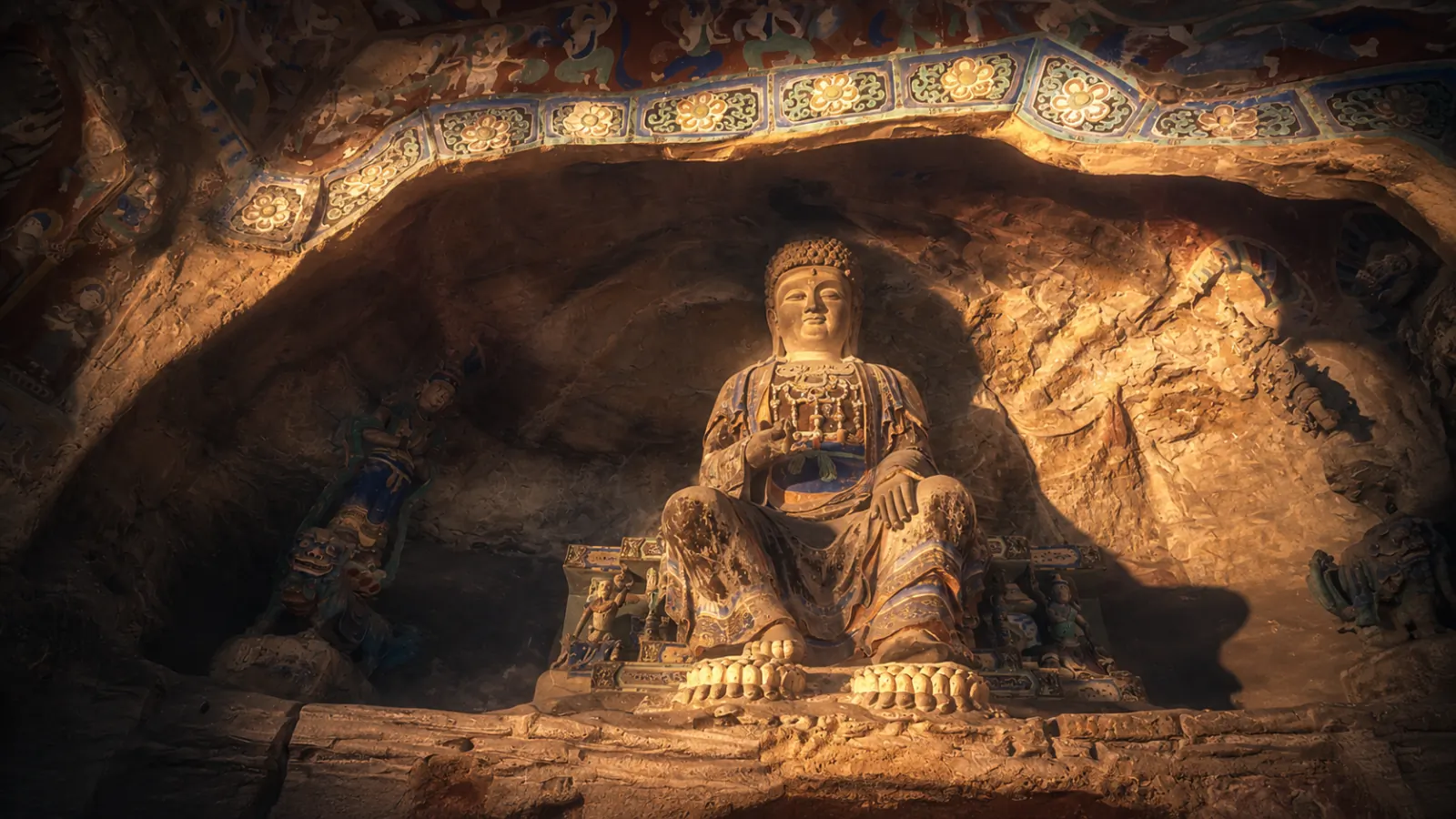
The UNESCO Yungang Grottoes listing establishes the site’s World Heritage significance and its location near Datong. It does not provide today’s tickets, transport or entry requirements. Treat Yungang as a distinct half- or full-day visit, and confirm current access with the official site before departure.
Choose Accommodation for Your Next Morning
An old-city-oriented hotel can work well for an evening and nearby sights, while an early rail or road departure may favour a different location. Check the final road access, Chinese address and luggage route. Small differences in a map pin can create a long walk through gates or pedestrian streets.
Do Not Stack Distant Heritage Sites
Yungang, Hanging Temple direction, Mount Heng and other regional sights require their own transfer and weather decision. Pick one major out-of-city plan per day. Do not attach an inflexible evening train until the return journey, entrance time and road conditions are clear.
Prepare for Exposed Weather
Northern Shanxi can feel sharply different from a sheltered city forecast. Wind, cold, heat and rain affect grotto visits, hillsides and long waits outdoors. Pack layers, water and shoes suited to uneven ground; re-order the day if conditions are poor.
Use Rail Tickets as Geographic Information
Confirm the full station name, departure entrance and hotel-to-station route before booking the final night. Allow for security, platforms and a taxi or local-transport contingency. Use our high-speed-rail guide for general rail preparation.
Keep Cultural Visits Respectful and Practical
Follow photography, bag, queue and conservation instructions at heritage sites. Do not touch carved surfaces or assume an indoor-looking attraction has the same weather protection throughout. The UNESCO property page is historical and conservation context, not a substitute for local visitor rules.
Save Addresses and a Backup Payment Method
Keep Datong 大同 and Yungang Grottoes 云冈石窟 saved in Chinese, alongside the hotel, station and official attraction contact. Our payment and map guides help with the shared basics.
Give Yungang an Unhurried Half Day or More
Yungang is best treated as the central commitment of its day. The visit has two parts: reaching the correct entrance and moving through the site at a pace that allows for walking, viewing and weather. Do not assume that the time spent in a vehicle is the whole excursion. Add a buffer for ticket checks, the approach from the drop-off point, rest breaks and the return journey before making an evening reservation or rail booking.
The UNESCO listing explains the cultural significance of the grottoes and is a valuable starting point for interpretation. It is not a live visitor service. Confirm current tickets, opening arrangements, photography restrictions, bag rules and any conservation-related closures with the official site. If an exact cave or route is essential to your plans, verify it directly instead of treating a guidebook description as a promise.
Take site instructions seriously. Do not touch carvings, cross barriers or assume a sheltered-looking area will be warm and dry. A small day bag with water, layers and weather protection is more useful than a tightly packed sequence of distant attractions. Visitors with mobility concerns should ask the operator about the specific route and facilities, rather than relying on general heritage-site imagery.
Choose One Regional Excursion, Then Stop
The wider Datong area contains heritage destinations that can tempt visitors into overloading a single day. A route involving Yungang, the Hanging Temple direction or Mount Heng needs honest transfer estimates, a return plan and a weather decision. Choose one major excursion and let the other places remain reasons to return. This avoids the common mistake of using straight-line map distances as if they were door-to-door travel times.
For any out-of-city journey, establish the final transport link before committing. Ask where a train, coach or hired vehicle actually leaves you, how the site entrance is reached and what happens if the return is delayed. Official local operators are the appropriate source for current roads, tickets, shuttles and access rules. Historic or scenic locations can be affected by safety management, maintenance or weather without much notice.
Keep the next morning light after a long regional excursion. An itinerary that ends with an easy old-city meal or hotel rest is more resilient than one requiring a precise late connection. If a group has different interests, splitting the day can be better than turning one traveller’s heritage priority into everyone’s rushed transfer.
Use the City Evening for Recovery and Orientation
An old-city evening can be a pleasant counterpoint to a full heritage day, but save the hotel address and practical access point before setting out. Pedestrian streets, gates and lighting can make a simple map pin less useful after dark. Select one compact area for a meal and a short walk; leave distant viewpoints for another day rather than relying on a late taxi sequence.
Food stops should be approached with the same flexibility as any other city plan. Check current hours where a particular restaurant matters, have a nearby alternative and communicate dietary needs clearly. A familiar dish or simple meal can be the sensible choice after a cold or windy outing. Keep a charged phone, payment backup and a screenshot of your hotel reservation for the return.
This is also a good time to inspect the following day’s rail route. Confirm the precise station name, likely pickup point and time needed for hotel checkout. Doing this the evening before reduces the risk that an attractive historic setting masks a difficult luggage transfer in the morning.
Pack for the Ground You Will Actually Cover
Datong’s appeal is closely tied to sites where the ground, wind and exposure matter. Bring footwear with grip, layers that can be added or removed and water for long outdoor stretches. Rain can make stone or uneven paths slippery, while sun and wind can be stronger than an urban forecast suggests. Adjust the order of activities if conditions are poor; no single photograph is worth rushing on an unsafe surface.
Confirm accessibility and child-friendly facilities for the particular site, not for Datong generally. Heritage locations have varied paths, toilets, seating and vehicle access. Ask the venue in advance where questions would materially affect the trip. The same principle applies to luggage: do not assume there is storage at an attraction without a current confirmation.
All time-sensitive access and transport details need a fresh check near travel. This draft provides a planning framework, not an official statement of operating conditions.
Before leaving each hotel, review the day’s saved Chinese addresses, return transport and opening confirmation together. In a small group, nominate one person to retain offline tickets and another to keep a battery backup. These modest habits are particularly helpful where cold weather or a remote site makes an unplanned wait uncomfortable. They support a flexible visit without making assumptions about access or operating hours.
Before You Go
Save 大同 and 云冈石窟 together with the hotel, station and actual pickup point. Give Yungang its own half- or full-day window; use any extra time for the old city rather than another distant heritage promise. Confirm the official site’s current entry, bag, photography, accessibility, weather and return-transport details before departure. Wear footwear for uneven ground and carry layers, water, offline tickets, payment backup and a power bank. The map-app guide, payment guide and rail guide cover shared preparation. Keep the final morning close to the ticketed station; operator notices, not a city guide, govern the actual journey.