
Hunan Province
Changsha
A practical Changsha guide for making a food and culture stay fit cleanly within a wider Hunan rail itinerary.
Suggested stay: 2 days
At a Glance
| Question | Working answer |
|---|---|
| Stay | Two nights for food, culture and a realistic rail buffer. |
| Arrival | Read the ticketed station or airport name, not only “Changsha”. |
| Movement | Keep one side of the Xiang River or one district cluster per half-day. |
| Booking risk | Confirm the individual museum, event or onward journey with its operator. |
| Walking | Moderate, with heat, rain and queues changing comfort. |
| Main mistake | Treating a Hunan transfer as a sightseeing day. |
Planning source and city context
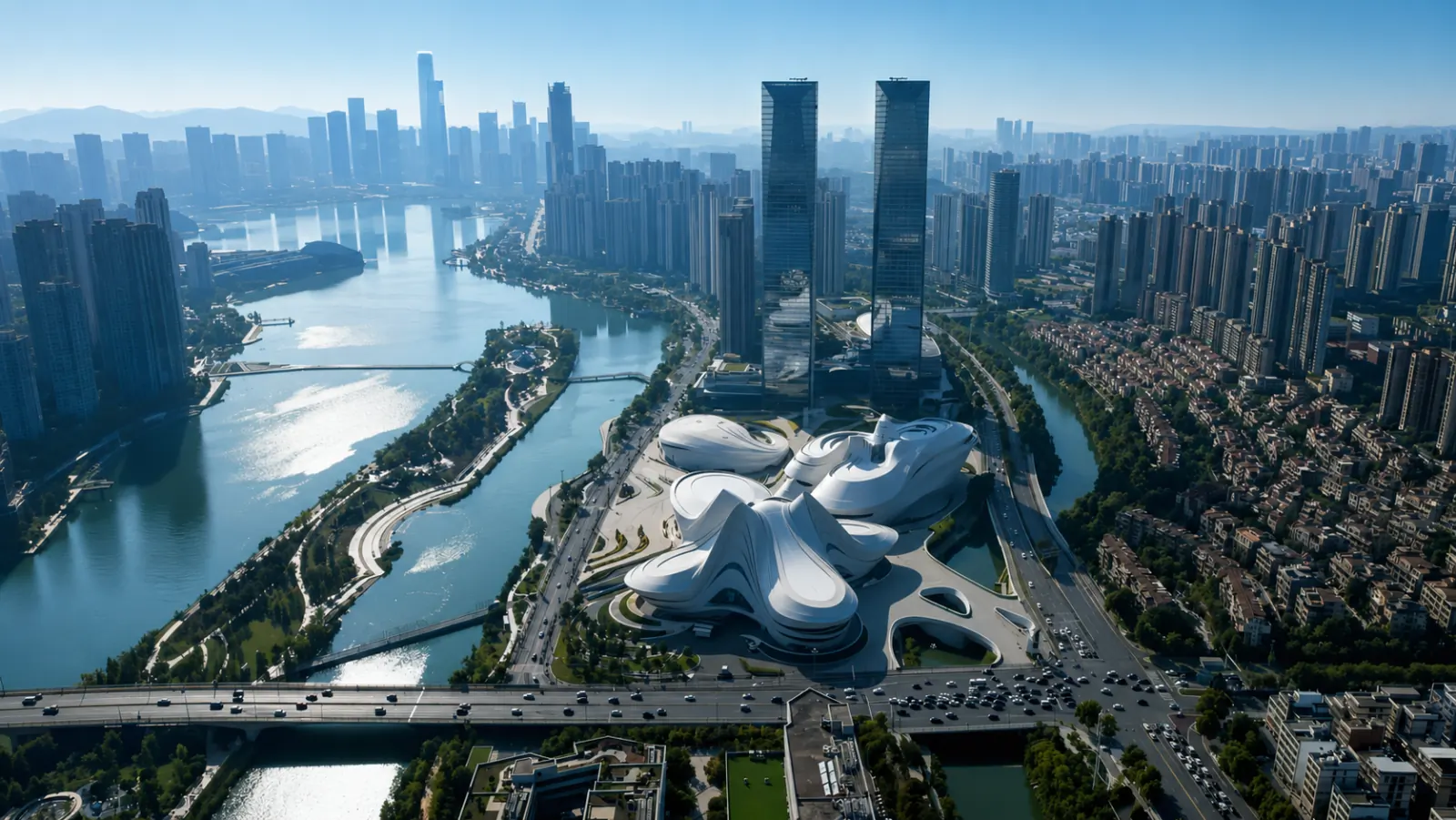
The Hunan Culture and Tourism Department presents Changsha as the provincial capital and highlights Mount Yuelu, the Xiang River and Orange Isle; use that as city context, not as an operating timetable. High holiday demand is also reported by the Hunan government’s English service, a reason to build a fallback rather than promise a queue-free route.
Changsha can be a lively food-and-culture stop in its own right, but it is often compressed into a transfer between other Hunan destinations. Give it a deliberate overnight or two nights when city museums, riverfront evenings and neighbourhood food are the point; otherwise protect the rail connection and avoid pretending it is a quick excursion from Zhangjiajie.
Decide the Role of the City in Your Route
Choose whether Changsha is the main destination, the arrival city for a wider Hunan trip or a rail overnight. That decision changes the hotel location, the amount of luggage you carry and what belongs on the first day. The Hunan Culture and Tourism English portal is a starting point for official regional visitor context.
Stay Near the Relevant Station or Centre
Check the complete station name on every ticket before booking a hotel. A centrally located food-and-shopping base can be excellent for an evening, while a short connection may justify an easier station transfer. Save Chinese names, entrances and pickup points instead of relying on a broad district label.
Build a Food Plan Around Comfort
Changsha food can be a major reason to visit, but personal spice tolerance and allergy communication matter more than a famous dish list. Ask staff for help, use a translation tool and keep a simple phrase ready: 不要辣 means “no chilli.” Restaurant queues, menus and operating hours are time-sensitive.
Keep Cultural Sites on One Side of the Day
Choose a compact heritage or museum area, then add a nearby evening neighbourhood rather than crossing the city between every stop. Verify entry rules, closures and passport requirements with the venue. A fixed reservation should sit at the centre of the route, not at the end of multiple transfers.
Treat Zhangjiajie as a Separate Journey
Changsha and Zhangjiajie should not be combined on a whim. Confirm the exact train, coach or flight, final local transfer and arrival time before booking a same-day attraction. Weather and mountain access in the wider region require their own planning.
Plan for Heat and Rain
Hot, humid or rainy conditions can change outdoor walking and food-street comfort. Carry water, choose shoes for wet pavement and leave an indoor alternative. Local festival dates and seasonal events should be checked through current official notices.
Prepare the Digital Essentials
Save the hotel and station in Chinese, keep tickets offline and carry a power bank. Our payment, map and rail guides cover the common setup.
Let the First Evening Stay Local
The first evening is best used to learn the immediate neighbourhood rather than to cross Changsha for a single famous venue. After a flight or rail arrival, identify the nearest useful meal, convenience store and transport entrance, then choose a short walk that can be abandoned easily if rain or fatigue arrives. This produces a more reliable start than a tightly timed food-street itinerary.
Food-focused areas can be lively, but high demand does not guarantee a quick meal or an easy ordering experience. Keep a second choice nearby and do not schedule an inflexible activity immediately afterwards. If you have an allergy, dietary restriction or low tolerance for heat, prepare a clear Chinese-language note and ask before ordering. The phrase 不要辣 is useful for “no chilli,” but it is not a complete allergy instruction; communicate specific risks clearly.
Venue operating hours, queues, seasonal pop-ups and restaurant availability change. The regional culture and tourism portal offers official context, while a particular venue’s own current account or notice is more useful for a same-day decision. Treat social-media recommendations as discovery leads that still need confirmation.
Make Museums and Riverfront Time Compatible
Pair one timed cultural visit with a nearby flexible walk or meal. This creates a day that can absorb a late start, security queue or weather change without losing its shape. Confirm the exact entrance, reservation rules, identification expectations and closure days directly with the institution before travel; the Hunan Museum’s official site is the appropriate starting point when that institution is the planned visit. A museum’s broad listing may not reflect a temporary exhibition, holiday closure or changed booking procedure.
For an outdoor riverfront or city walk, decide in advance where you would stop if the weather becomes uncomfortable. Heat and humidity can make a modest distance feel long, while rain can make steps and pavement slippery. Carry water, use shade where possible and do not rely on a scenic route to be accessible or uninterrupted. A short evening stroll can be more enjoyable than a forced multi-hour crossing.
Keep any booking screenshot offline and save the destination name in Chinese. This helps when a taxi needs the formal entrance rather than a general district name. It also makes a last-minute route adjustment easier if a group decides to split between indoor and outdoor plans.
Treat a Hunan Extension as a Separate Booking Set
Changsha works well as a beginning or end point for a wider Hunan route, but onward travel should be designed independently. Confirm the departure station, the final arrival point, the last local transfer and the luggage plan before assuming that a rail time creates a same-day sightseeing window. A train may be fast between stations while the door-to-door journey remains long.
For mountain or scenic-area extensions, weather, ticketing and local access are separate questions from city logistics. Do not use this city guide to infer conditions in Zhangjiajie or elsewhere in Hunan. Check responsible local operators and official notices close to travel, especially when a planned connection must meet a final shuttle, cableway or hotel transfer.
Avoid booking a non-refundable city activity on the morning of an important onward journey. A buffer night or a less ambitious departure-day plan can be worth more than one extra landmark. This is particularly true for visitors changing stations, travelling with children or carrying bulky luggage.
Leave the Last Day Easy to Change
Work backwards from your exact ticket and include hotel checkout, station security, platforms and an unexpected local transfer. Keep passports, tickets, bank cards and the Chinese station name in an accessible place. If the ticket is for a station outside the immediate hotel area, do a route check the night before rather than discovering an entrance problem under time pressure.
Use current official carrier information for platform, schedule and disruption notices. The linked rail guide can help with general preparation, but it cannot substitute for the train operator’s instructions. Keep enough battery to display tickets and the hotel address, and leave a simple nearby meal as a fallback if the schedule shifts.
The aim is a city stop that feels chosen, not merely survived between transfers. Confirm time-sensitive details before travel and preserve enough open time for Changsha’s food, culture and weather to set the pace.
If you are travelling in a group, agree in advance how long you are willing to queue, how spice preferences will be handled and where to meet if phones lose signal. Keep a low-effort alternative near the hotel for the first and last evenings. This simple margin makes the city more enjoyable when a train delay, heavy rain or a crowded restaurant changes the expected schedule.
Before You Go
Changsha 长沙 works best when the first and last evenings are deliberately simple. Save the hotel, the exact station, a chosen cultural-site entrance and a food fallback in Chinese. Verify each named venue, heat or rain plan and the next rail ticket with the responsible operator; regional descriptions do not control a particular date. Use our payment, map-app and high-speed-rail guides for shared setup, then test your accounts before the important journey. State serious allergies clearly and choose a simpler dish if ingredients cannot be established. Keep passport, power bank and booking screenshots accessible. If entry planning is unresolved, the advisory Visa Checker helps organise questions but is not an official decision.